
Pet Insurance with Wellness Coverage: What It Covers, Costs, and How to Choose
You’re hearing a lot about pet insurance with wellness coverage, but what does it actually cover, how much does it cost, and is it worth it for your dog or cat? This guide breaks down the routine-care benefits, the fine print insurers don’t advertise, and how to compare plans so you can avoid overpaying.
What is pet insurance with wellness coverage?
Pet insurance with wellness coverage typically refers to a routine-care or preventive-care add-on (sometimes called a “wellness rider”) that you can attach to an accident & illness policy. Wellness coverage is designed to help with expected, day-to-day veterinary care rather than surprise events.

The Ultimate Pet Health Guide: Breakthrough Nutrition and Integrative Care for Dogs and Cats: Richter MS DVM, Gary
The Ultimate Pet Health Guide: Breakthrough Nutrition and Integrative Care for Dogs and Cats [Richter MS DVM, Gary] on Amazon.com. *FREE* shipping on qualifying offers. The Ultimate Pet Health Guide:
Check Price on AmazonWhat it usually includes (varies by company and plan tier):
- Annual wellness exam (a head-to-tail checkup)
- Core vaccinations and boosters (e.g., rabies, DHPP for dogs; FVRCP for cats)
- Routine lab tests like fecal exam and heartworm test
- Screening bloodwork (CBC/chemistry) for early detection
- Flea, tick, and heartworm prevention (often a set allowance)
- Spay/neuter allowance on some tiers (especially puppy/kitten plans)
- Microchipping (implant and/or registration fee)
- Dental cleaning (non-anesthetic or anesthetic, usually with a cap)
How it differs from accident & illness (A&I) insurance:
- Accident & illness covers the unexpected—emergencies, injuries, illnesses, surgeries, and prescription drugs—after you meet your deductible (the amount you pay out of pocket before insurance starts paying) and subject to your reimbursement percentage (the portion the insurer pays after the deductible).
- Wellness helps pay for predictable preventive care you plan to do anyway. In most cases, wellness benefits do not use a deductible or the standard reimbursement percentage, and they often have specific per-item caps.
A quick example: Your dog needs an annual exam ($70), DHPP booster ($45), fecal test ($35), plus 12 months of heartworm prevention ($120). An A&I policy won’t cover these routine costs. A wellness add-on may reimburse a set amount per service (say, $50 toward the exam, $30 toward the fecal test) with a total annual allowance.
What does wellness coverage typically cost?
Costs vary by company, tier, state, and your pet’s species, age, and breed. As a ballpark:
- Dogs: Typically $10–$35 per month for basic wellness; $35–$60+ for more robust tiers that include dental cleaning or spay/neuter allowances.
- Cats: Typically $8–$25 per month for basic wellness; $25–$45+ for higher tiers.
Note: These are illustrative ranges. Actual prices vary by carrier and location.
What routine care typically costs without insurance (rates vary):
- Annual exam: $50–$90
- Vaccines/boosters: $20–$40 each (core series in the first year can add up)
- Fecal test: $25–$50
- Heartworm test: $25–$55
- 12 months heartworm prevention: $80–$180 (dog size affects cost)
- Flea/tick prevention: $120–$300 per year (brand and weight-based dosing)
- Microchip: $25–$60
- Dental cleaning: $300–$900+ (anesthetic cleanings skew higher, especially with dental X-rays)
Benefits, limitations, and when wellness add-ons make sense
Benefits you’ll actually notice:
- Predictable budgeting: You spread routine-care costs into monthly premiums instead of lump-sum bills.
- Encourages preventive care: Regular checkups and screening bloodwork can catch issues earlier, which typically leads to better outcomes and potentially lower long-term costs.
- Reduced out-of-pocket (OOP) for routine care: Especially in the puppy/kitten year when vaccines, tests, and spay/neuter are clustered.
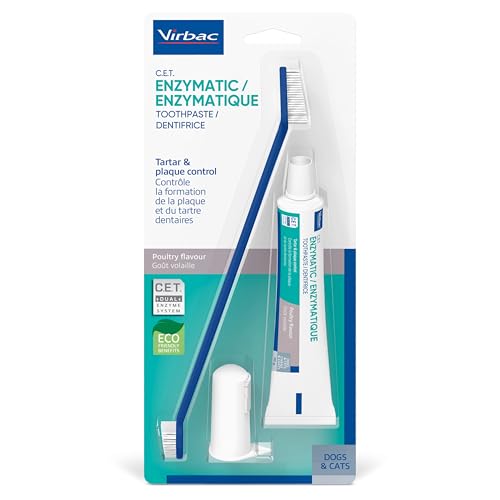
Virbac C.E.T. Oral Hygiene Kit for Cats and Dogs | 3 Piece Set with Dual Ended Toothbrush, Fingerbrush, and Poultry Flavor 2.5 oz tube of Toothpaste | Remove Plaque & Tartar Buildup : Pet Toothbrushes : Pet Supplies
View on AmazonCommon limitations and caveats:
- Plan caps and per-item limits: Wellness benefits often have an annual cap (for example, $250–$650 per year) and itemized limits (e.g., “up to $50 for exam,” “up to $100 for dental”). If your vet charges more than the cap, you pay the difference.
- No rollover: In most cases, unused wellness benefits don’t roll to the next year.
- Frequencies matter: Plans may cover “1 fecal test per year” or “1 dental cleaning per policy year.” Additional visits may not be covered.
- Preexisting conditions: Even though wellness is preventive, plans still typically exclude treatment of preexisting conditions (any sign/symptom noted before your policy started).
- Not a discount plan: It’s reimbursement-based. You’ll still pay the vet, then get reimbursed—unless your insurer allows direct pay, which is less common.
When wellness coverage is likely worth it:
- Puppies and kittens (under 1 year): First-year care is front-loaded—multiple vaccine visits, spay/neuter, microchip, deworming. Wellness add-ons often pencil out during this period.
- Pets needing annual dental cleanings: Small dog breeds, brachycephalic breeds, or cats prone to dental disease may benefit from plans that include a dental allowance.
- Outdoor cats or active dogs: If your pet needs consistent parasite prevention and regular screening tests, the set allowances can offset costs.
- Owners who prefer fixed monthly costs over variable bills: Budgeting predictability has a real value for many families.
When to think twice:
- Older pets with minimal preventive needs: If you’ve already done spay/neuter, microchip, and vaccines are on a 3-year schedule, a wellness add-on may not fully pay for itself.
- If your vet offers an in-house wellness plan: Some clinics run their own membership plans that bundle exams, vaccines, and dental discounts. Compare the math carefully.
- If you’re good at setting aside savings: A dedicated “pet preventive fund” might beat paying for a wellness rider if you won’t use all covered items.
How to compare pet insurance with wellness coverage
Not all wellness plans work the same. Here’s how to compare, line by line.
Key plan structures
- Annual limit (and sub-limits): The annual limit is the maximum the plan will pay for wellness in a policy year. Sub-limits are itemized caps by service (e.g., “up to $50 exam, $40 fecal”). Assess whether the cap matches local prices at your vet.
- Visit limits and frequencies: Look for language like “1 exam per year,” “2 vaccine visits,” or “1 dental cleaning every 12 months.” Plans rarely cover unlimited visits.
- Reimbursement percentage: Traditional accident & illness uses a reimbursement percentage (e.g., 70%, 80%, 90%). Wellness add-ons often pay fixed allowances rather than a percentage. If a plan lists a percentage for wellness, confirm whether item caps still apply.
- Deductibles: A deductible is the amount you pay before coverage starts. Wellness add-ons often have no deductible, but double-check—some bundled structures still apply one.
- Waiting periods: Accident & illness typically has waiting periods (often 14 days; orthopedic conditions may be longer). Wellness benefits may have no waiting period or a very short one—but always verify the effective date for each covered service.
- Network rules: Most pet insurers let you see any licensed vet in the U.S. Some standalone wellness or discount plans may require in-network providers. Ask before you buy.
Coverage clarity: what’s in vs. out
- Covered services: Confirm vaccines (which ones), exam(s), fecal, heartworm test, urinalysis, screening bloodwork, microchip, parasite prevention, dental cleaning, and spay/neuter allowance if needed.
- Frequency specifics: Are boosters covered individually or only as a “vaccine visit”? Are pre-anesthetic blood panels included for dental procedures?
- Parasite prevention: Many plans reimburse a set dollar amount per year rather than by brand. If your pet needs year-round protection, make sure the allowance is realistic.
- Dental: Is the plan for routine cleaning only, or does it also help if disease is found during cleaning? Accident & illness coverage is usually required for treatment of periodontal disease.
- Exclusions to watch: Preexisting conditions; therapeutic diets; grooming; breeding/pregnancy; behavioral training; supplements; prescription food; cosmetic procedures.
How to do an apples-to-apples comparison
- List the preventive services you expect to use in the next 12 months (ask your vet for a schedule).
- Get fee estimates from your clinic for each item.
- For each plan, total the itemized wellness reimbursements you’d actually use.
- Subtract the plan’s annual wellness premium. If the net is positive—or the convenience is worth a small net negative—the plan may be a fit.
If you want to compare core accident & illness coverage while you’re at it, see our current round-up of top providers in Best Pet Insurance 2026: Compare Plans for Dogs & Cats (/health-insurance/best-pet-insurance-2026-compare-plans-dogs-cats).
Practical guidance: get the most value
Coordinate with your veterinarian
- Map the year: Ask your vet for a 12-month preventive plan by age and lifestyle. Puppies/kittens might have 3–4 vaccine visits; seniors may add bi-annual exams and bloodwork.
- Align services to coverage: If your plan covers “1 exam + 1 fecal + 1 heartworm test + $150 dental allowance,” time those services within the policy year so you don’t leave money on the table.
Filing claims without the headaches
- Collect itemized invoices and medical notes for each visit. Submitting clean documentation reduces back-and-forth and speeds reimbursement.
- Submit early and often. Some wellness benefits have claim timelines. Don’t wait until policy renewal.
- If a claim is denied, review the explanation of benefits and appeal with supporting records. For step-by-step help, see Pet Insurance Claims: What to Gather, How to File, and How to Handle Denials (/health-insurance/pet-insurance-claims-instructions-how-to-file-handle-denials).

Pet Health Record Book: Track Vaccinations, Vet Visits & Health Notes: Simple & Practical Logbook for Dogs and Cats | Veterinary Record Organizer (Spanish Edition): Publishing, Happy Paws: Amazon.com
View on AmazonBundle smartly with accident & illness coverage
- One policy, two protections: In most cases, pairing accident & illness with wellness gives you comprehensive coverage—unexpected events plus routine care. This can also simplify billing and claims.
- Watch for discounts: Some insurers offer a small discount for bundling a wellness rider with an A&I plan.
- Balance your budget: If you prioritize financial protection for big vet bills, lean toward stronger A&I coverage and consider a basic wellness tier to cover at least the exam, tests, and parasite prevention.
Sample scenarios to see how the math can work
- Puppy, first year (medium dog in Texas): Routine care might include 3–4 exam/vaccine visits ($250–$450 total), microchip ($40), spay/neuter ($250–$500), fecal and heartworm tests ($60–$100), and 12 months of prevention ($180–$300). A mid-tier wellness plan at, say, $35–$45/month could offset a significant share of these costs. Actual savings depend on local prices and the plan’s caps.
- Adult indoor cat: Annual exam ($60), FVRCP booster (maybe every 3 years, depending on protocol), fecal ($35), dental cleaning every 12–24 months ($300–$600). A basic wellness plan could help with the exam and fecal; the value may hinge on the dental allowance. For cat-specific price guidance, see Affordable Cat Insurance: How to Find the Cheapest Quality Coverage for Your Feline (/health-insurance/affordable-pet-insurance-for-cats).
- Senior small-breed dog with known dental issues: If your vet recommends annual dental cleanings and routine screening bloodwork, a higher-tier wellness plan with a dental allowance could be worthwhile—especially if paired with strong A&I coverage for illness treatment.
Note: For birds, reptiles, and other non-traditional pets, wellness and broader coverage options are more limited and specialized. Start here: Exotic Pet Insurance: What Owners Need to Know About Coverage, Costs, and Choosing a Policy (/health-insurance/exotic-pet-insurance-coverage-costs-how-to-choose).
A simple checklist to choose the right wellness option
- Does the plan cover the exact services your vet recommends for the next 12 months?
- Are item caps realistic compared to your clinic’s fees?
- Are there visit limits or frequency rules that don’t match your pet’s needs?
- Is there any waiting period or eligibility restriction you should plan around?
- Can you use any licensed vet, or are there network rules?
- Adding accident & illness: Do the combined premiums fit your budget while offering meaningful protection?
- Math check: If you used all benefits, would the reimbursements likely meet or beat the annual wellness premium?
The fastest way to see your actual price
Wellness pricing and allowances vary widely by carrier and state. The quickest way to check what you’d really pay is to compare quotes from 3–5 carriers side by side. You can start here: Pet Insurance: Compare Plans, Coverage & Get a Quote (/health-insurance/pet-insurance-compare-plans-coverage-quotes).
What to look for in the policy fine print
- Clear definition of wellness vs. medical: Make sure routine dental cleaning and screening labs fall under wellness, while treatment of dental disease, infections, or chronic issues are handled by accident & illness—each with their own rules.
- Renewal and changes: Insurers can adjust benefits and premiums at renewal. Check if your wellness caps or covered items can change year to year.
- Pre-authorization needs: Most wellness care doesn’t require pre-authorization, but confirm if dental procedures or spay/neuter do.
- Refunds and cancellations: If you cancel mid-year, some plans may prorate; others may recoup paid wellness reimbursements. Read this section closely.
FAQs in plain English
- Is wellness coverage required to have accident & illness insurance? No. It’s optional. You can buy A&I alone, wellness alone (with some providers), or bundle both.
- Does wellness coverage have a deductible? Often no for wellness items, but confirm your plan’s structure. Accident & illness almost always has a deductible.
- Do I need wellness for vaccines only? If you only need one low-cost vaccine this year, a wellness add-on might not make sense. If you have a puppy/kitten series or multiple services planned, it might.
- Can I use any vet? Most pet insurance lets you visit any licensed vet in the U.S. Standalone wellness/discount plans may require in-network providers—check the rules.
Talk to a licensed expert
Your pet’s needs are unique, and benefits vary by state and insurer. A licensed agent or experienced pet insurance rep can help you tailor accident & illness coverage with or without wellness so you’re not over- or under-insured. If you’d like a curated view of top providers for dogs and cats, see Best Pet Insurance 2026: Compare Plans for Dogs & Cats (/health-insurance/best-pet-insurance-2026-compare-plans-dogs-cats).
Ready to compare?
If wellness coverage seems like a fit, the next smart step is to see real quotes and benefit summaries from a few carriers. It takes just a few minutes and helps you spot which plan’s wellness caps and accident & illness protection line up with your vet’s recommendations and your budget:
- Compare 3–5 quotes side by side
- Check the wellness item caps against your vet’s fees
- Review A&I deductibles, reimbursement %, and annual limits at the same time
Start here: Pet Insurance: Compare Plans, Coverage & Get a Quote (/health-insurance/pet-insurance-compare-plans-coverage-quotes).
Disclaimers: Coverage details and premiums vary by insurer, pet age and breed, location, and underwriting. No article can guarantee price or eligibility. Always review the full policy and discuss specifics with a licensed agent or your veterinarian before purchasing.
Recommended Resources
The Ultimate Pet Health Guide: Breakthrough Nutrition and Integrative Care for Dogs and Cats: Richter MS DVM, Gary
The Ultimate Pet Health Guide: Breakthrough Nutrition and Integrative Care for Dogs and Cats [Richter MS DVM, Gary] on Amazon.com. *FREE* shipping on qualifying offers. The Ultimate Pet Health Guide:
Pet Health Record Book: Track Vaccinations, Vet Visits & Health Notes: Simple & Practical Logbook for Dogs and Cats | Veterinary Record Organizer (Spanish Edition): Publishing, Happy Paws: Amazon.com
Pet Vaccination Record Book: Comprehensive Health Tracker & Immunization Log for Dogs and Cats | Includes Observation Notes, Vet Visit , and Travel Records
Virbac C.E.T. Oral Hygiene Kit for Cats and Dogs | 3 Piece Set with Dual Ended Toothbrush, Fingerbrush, and Poultry Flavor 2.5 oz tube of Toothpaste | Remove Plaque & Tartar Buildup : Pet Toothbrushes : Pet Supplies
Full content visible, double tap to read brief content. ... CET Dental Hygiene Kits <strong>includes a double sided toothbrush for all sizes of pets, Finger toothbrush and CET Poultry Toothpaste</stro
Related Articles
- Financial Planning for Pet Insurance: Budgeting, Comparing Coverage, and Protecting Your Savings
- Best Pet Insurance 2026: Compare Plans for Dogs & Cats
- Pet Insurance: Compare Plans, Coverage & Get a Quote
- Exotic Pet Insurance: What Owners Need to Know About Coverage, Costs, and Choosing a Policy
- Best Pet Insurance for Dogs: Compare Top Providers, Costs, and How to Choose the Right Plan
- Affordable Cat Insurance: How to Find the Cheapest Quality Coverage for Your Feline
- Pet Insurance Claims: What to Gather, How to File, and How to Handle Denials
- How to File a Pet Insurance Claim: Documents, Submission Steps & How to Avoid Denials